
Research that lies at the intersection of community, higher education, commercial enterprise, and design pedagogy. Driven by a commitment to developing innovative, equitable, and human-centered design solutions and pedagogies that empower diverse, marginalized, and underserved communities to engage with and shape the products, services, and experiences that impact their lives.
Driving the Research
Practice
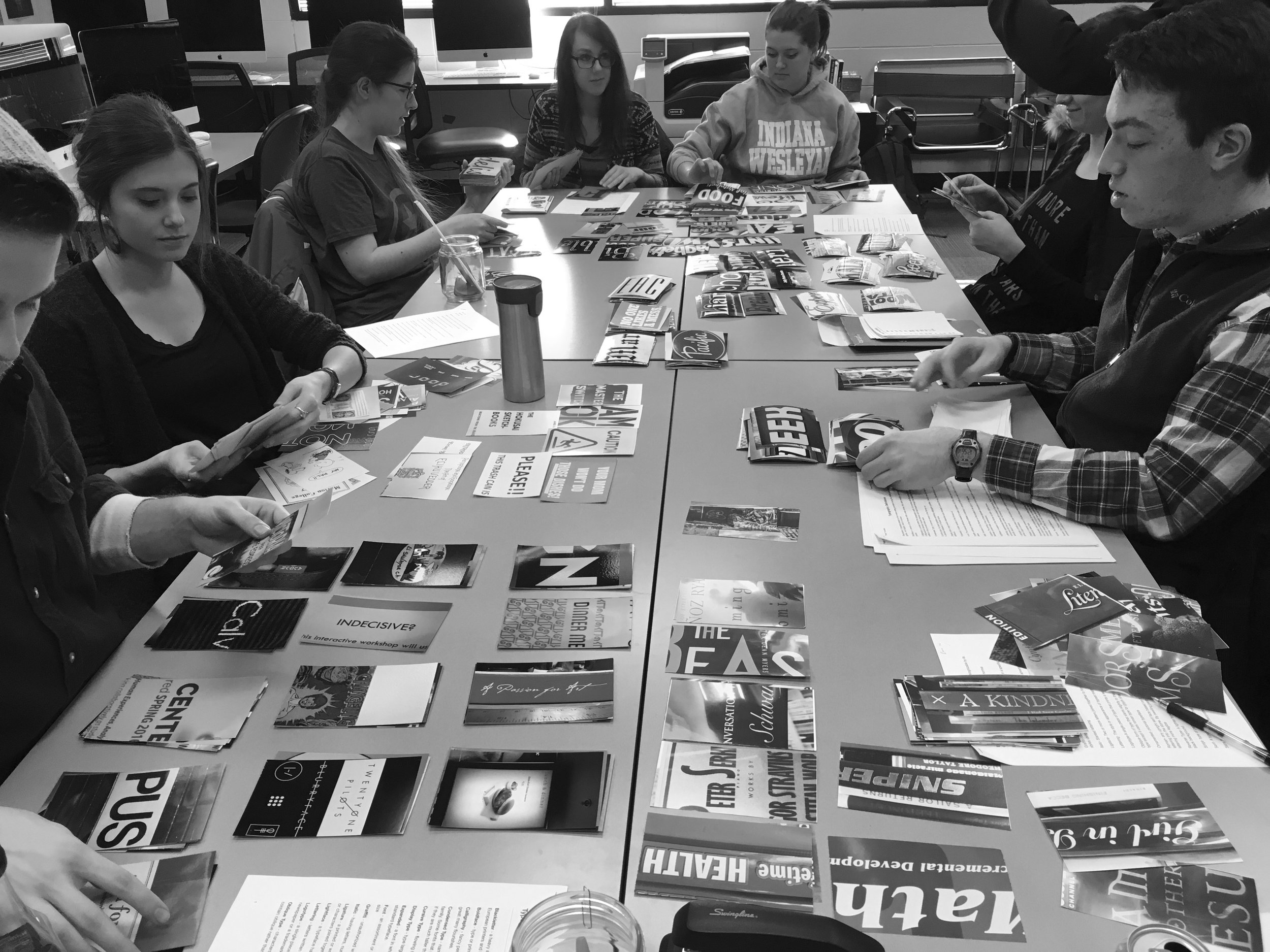
My research and scholarly design work lie at the intersection of community, higher education, commercial enterprise, and design pedagogy. This research is driven by a commitment to developing innovative, equitable, and human-centered design pedagogies that empower diverse, marginalized, and underserved communities to engage with and shape the products, services, and experiences that impact their lives. Collaborating with college design students, as well as commercial and nonprofit partners, my research practice leverages community design-oriented workshops, placemaking initiatives, design thinking sessions, and qualitative research methods to generate actionable insights. The resulting outcomes are translated into practical toolkits, scalable products, and sustainable solutions that address systemic social challenges while demonstrating commercial viability and real-world impact. By integrating human-centered design and co-design practices, students and community members alike gain first-hand experience in facilitating, implementing, and evaluating design solutions—preparing them to lead in the creation of inclusive products, services, and experiences across both academic and commercial environments.
Articulating the Research
Differences
Below are three forms of research I use together to guide us from deep knowledge to lived understanding—and ultimately to transformative action. Academic research explains the world in theory. User research grounds that understanding in the messy, inspiring reality of human experience. Design research takes it a step further, transforming those hard-won insights into products, services, and systems that genuinely shift how people live and interact. The best design solutions don’t come from relying on a single research approach. Instead, I draw on a range of methods, theories, and processes—fluidly moving among all three—and harness rigor, empathy, and imagination to create truth-based knowledge, appropriate “needed” innovations, sustainable validations, and human impact.
-
Academic research, user research, and design research are not isolated silos—they’re a dynamic, layered ecosystem that shapes everything designers create. Academic research is our bedrock: it draws on the deep wells of psychology, sociology, and human-computer interaction to carve out foundational knowledge. This research is rigorous and methodical, moving deliberately as it crafts theories, models, and frameworks that stretch far beyond any single project. It’s less about quick application and more about uncovering what’s fundamentally true about human behavior, cognition, and the systems we inhabit.
User research stands atop this foundation, transforming abstract knowledge into sharp, real-world clarity. It’s pragmatic and grounded in the present—an urgent investigation into how real people think, feel, and behave within their actual contexts. Through interviews, usability testing, and close observation, user research delivers actionable insights: patterns of behavior, pain points, and those elusive mental models that drive user decisions. Unlike academic research, the mission here isn’t to proclaim universal truths—it’s to cut through uncertainty and empower teams to make smart, timely design decisions.
Design research opens the aperture even wider. It’s not just about analyzing what is—but imagining what could be. Here, we blend the analytical with the creative, using prototyping, co-design, and systems mapping to explore entirely new possibilities. Design research weaves together insights from academic and user research, defining strategic directions and spawning new concepts. It’s not content to merely validate solutions; it’s about shaping them, boldly navigating the ambiguity and uncertainty that define truly innovative design.
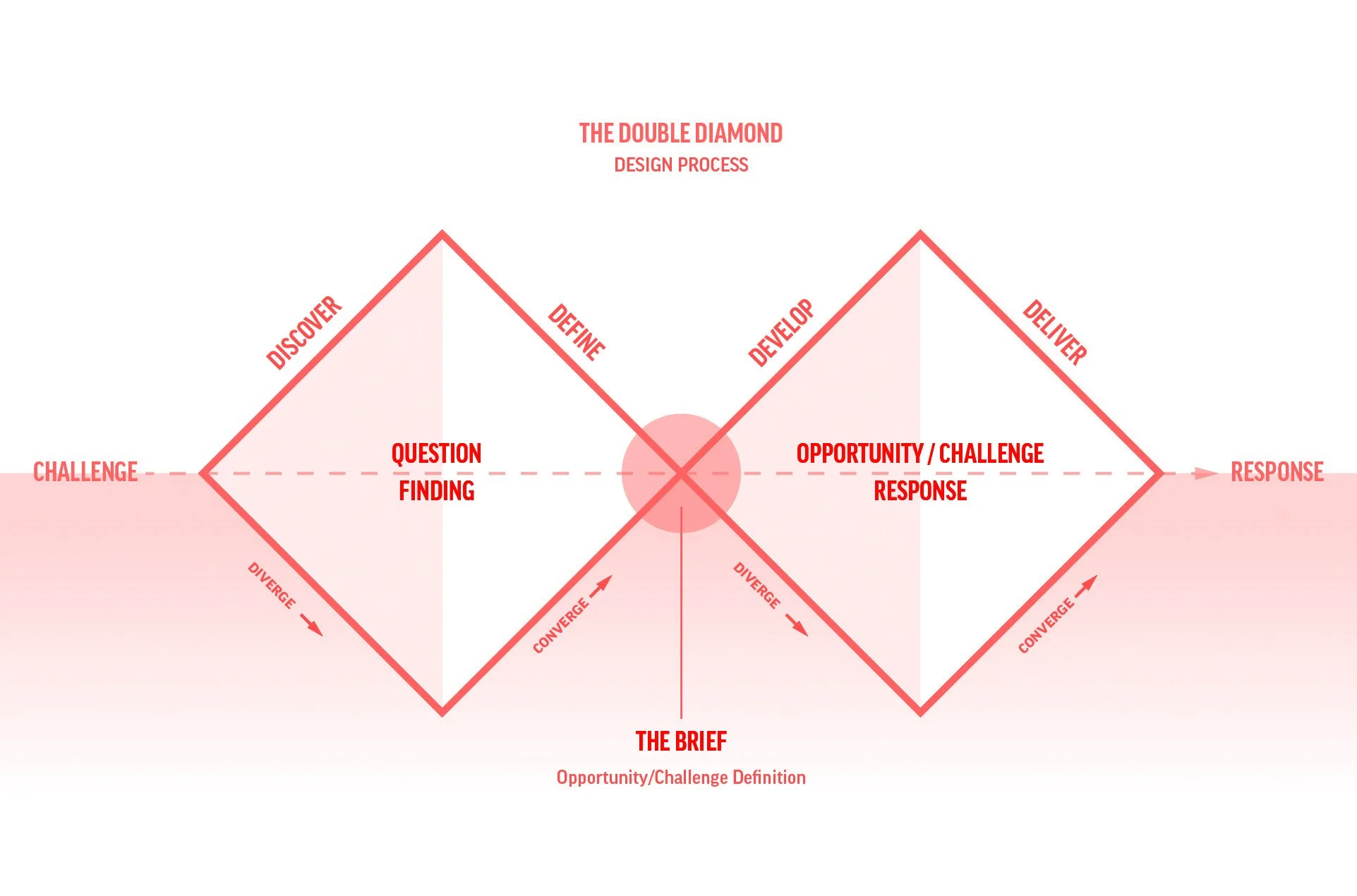
Double Diamond Visualization: courtesy of Luke Anspach
Articulating the
Design Process
Research is not just a box to check—it's the compass at the front of the journey. Every project begins with a bespoke approach, tailored to the nuances of the challenge at hand. I believe in interrogating insights from every possible angle, seeing not just what is, but what might be. The goal? To move from ambiguity to clarity, shaping outcomes that are both resilient and precisely aligned with the real objectives at stake.
Research in design is essential to developing robust, relevant, and unbiased solutions. My goal is to uncover key opportunities, challenges, and areas for innovation, ensuring each solution is grounded in solid knowledge.
In most cases, I implement the UK Design Council’s Double Diamond Design Process—a tool I return to for its unapologetic commitment to human-centered thinking. The process starts with deep empathy; it’s the fuel that moves the process forward, shaping each phase and decision. The Double Diamond’s rhythm—diverging to welcome wild ideas, converging to distill and direct—ensures the work is both imaginative and relentlessly focused on what matters.
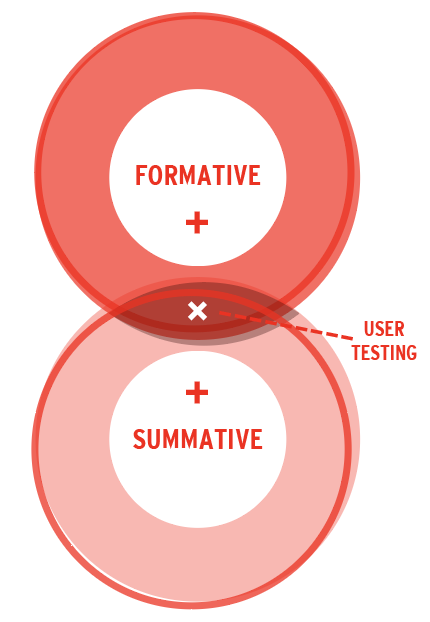
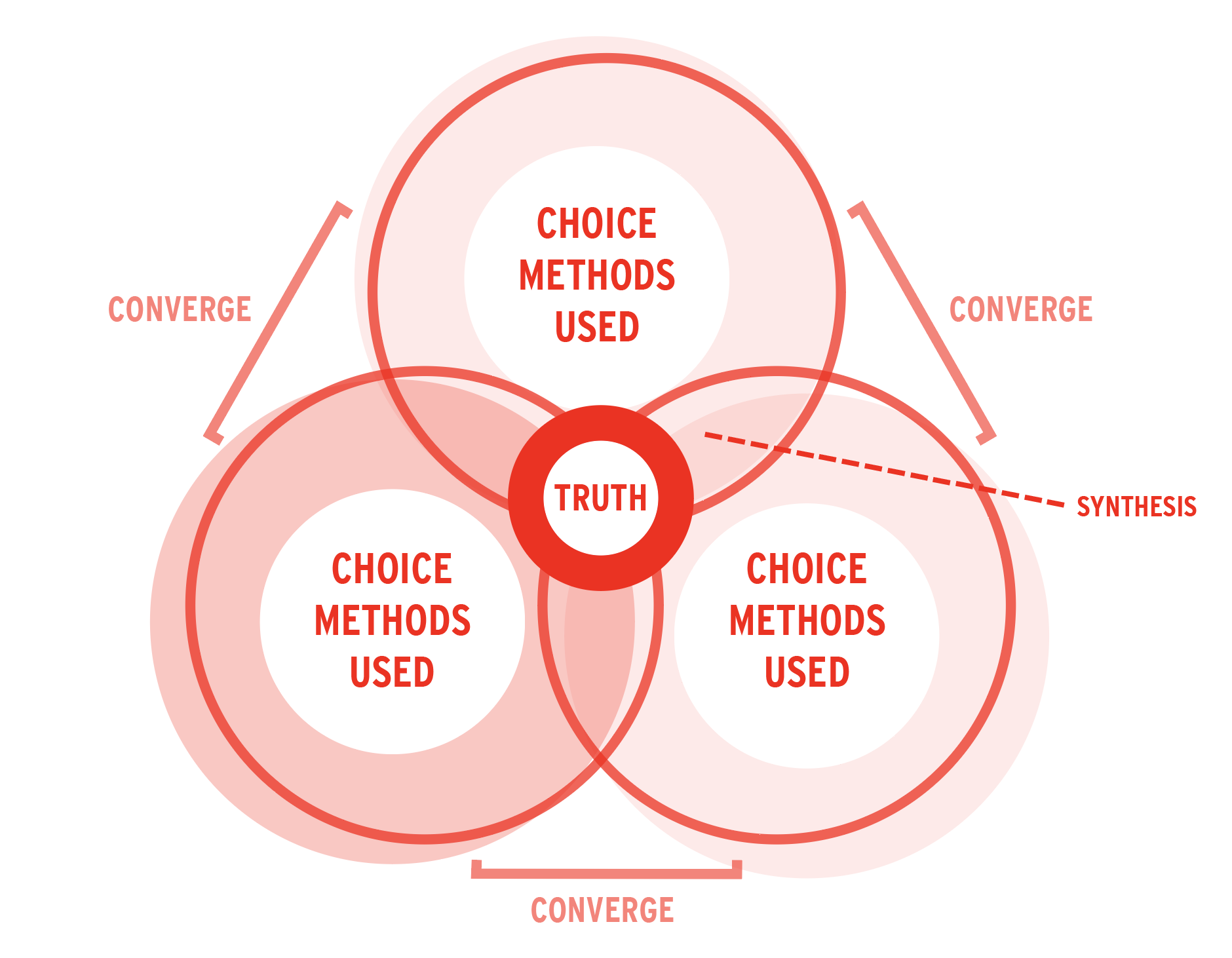
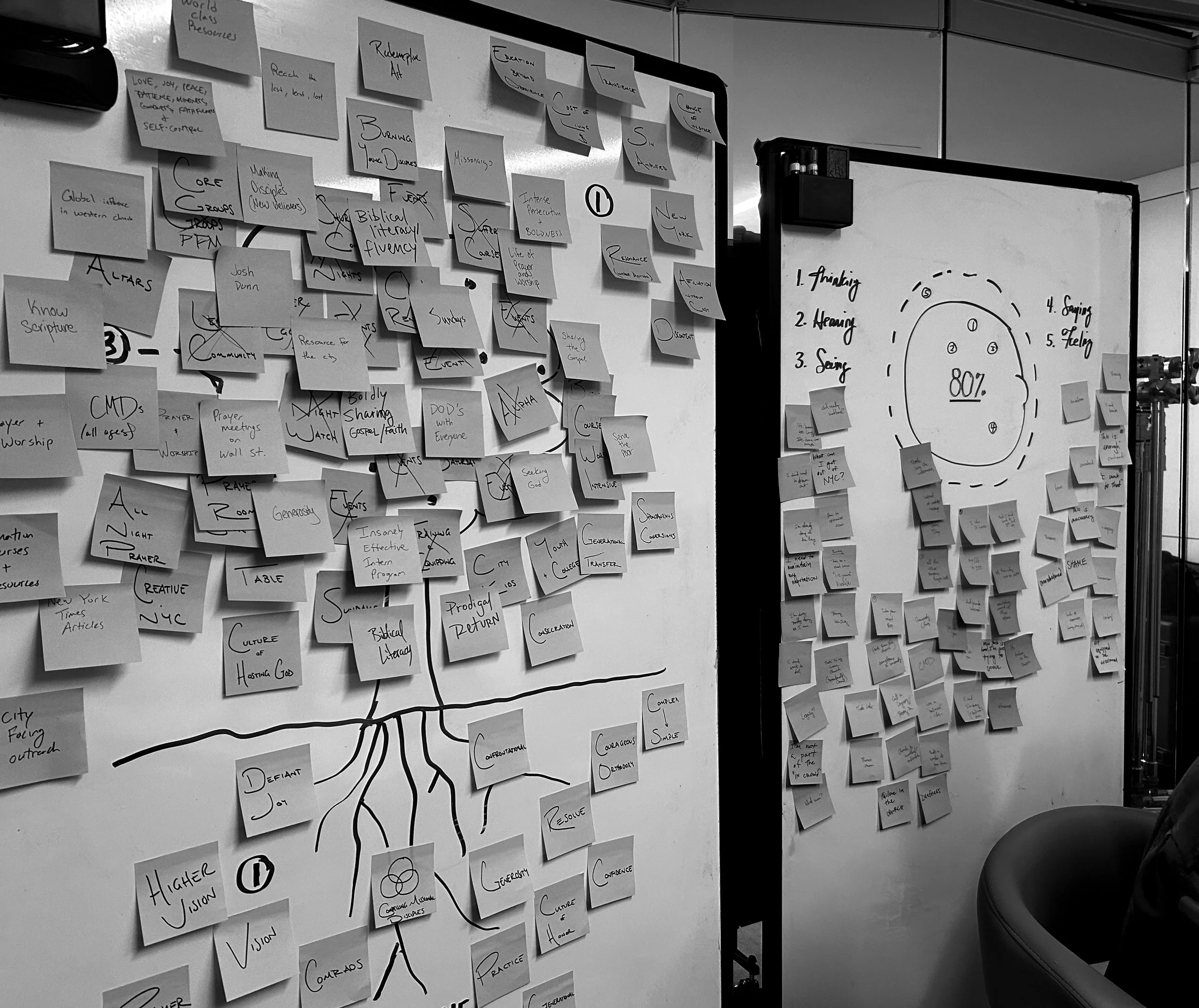
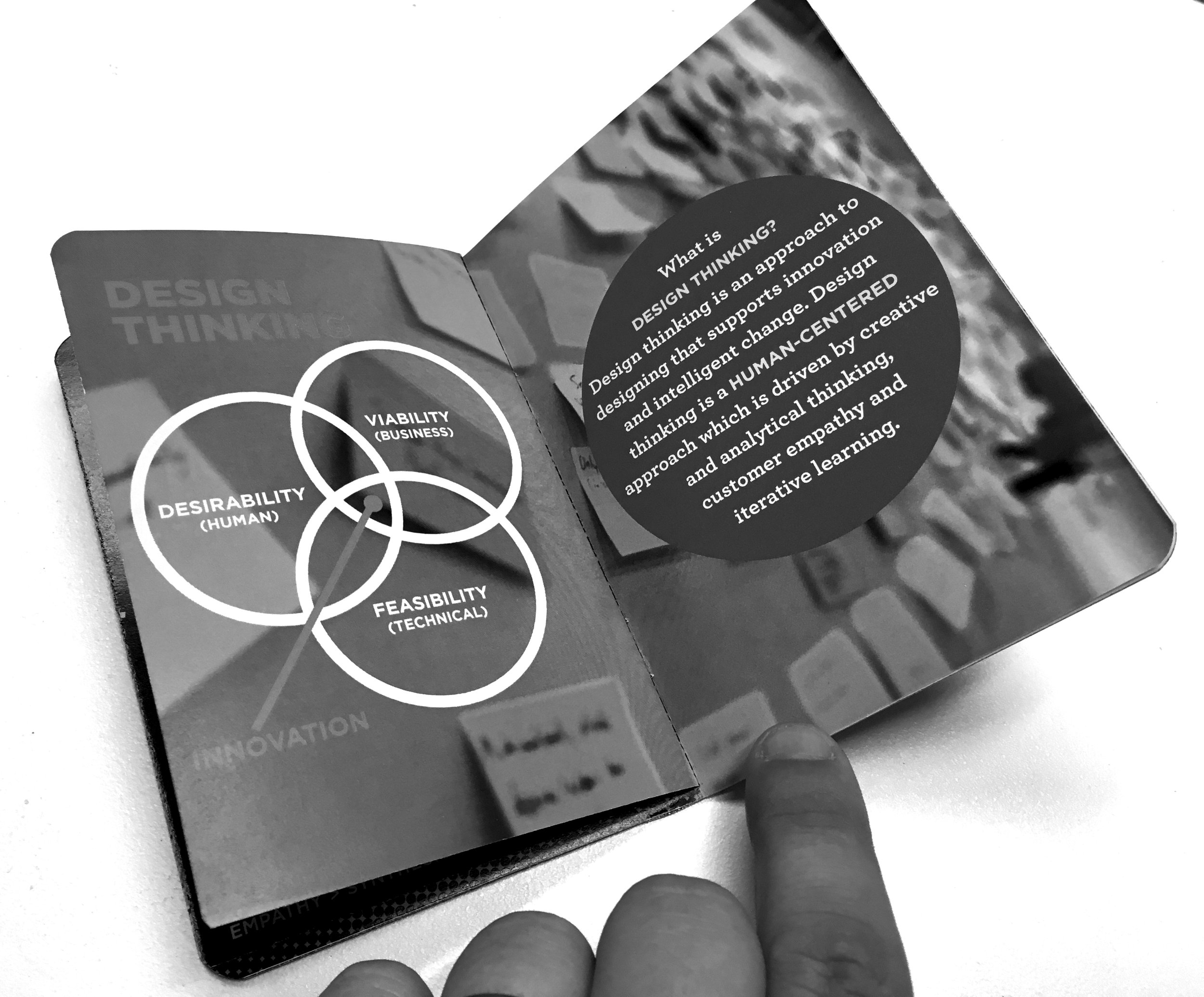
I often encounter people who haven’t witnessed design’s evolution into a meaningful discipline—equal parts creative spark and scientific rigor. There’s a quiet satisfaction in illuminating the truth: creativity is most powerful when it is accountable, when it meets objective, when it’s more than inspiration and serendipity. My job is to ensure design delivers for you—intentional, relevant, and deeply attuned to your needs.
Loving the Design
Process
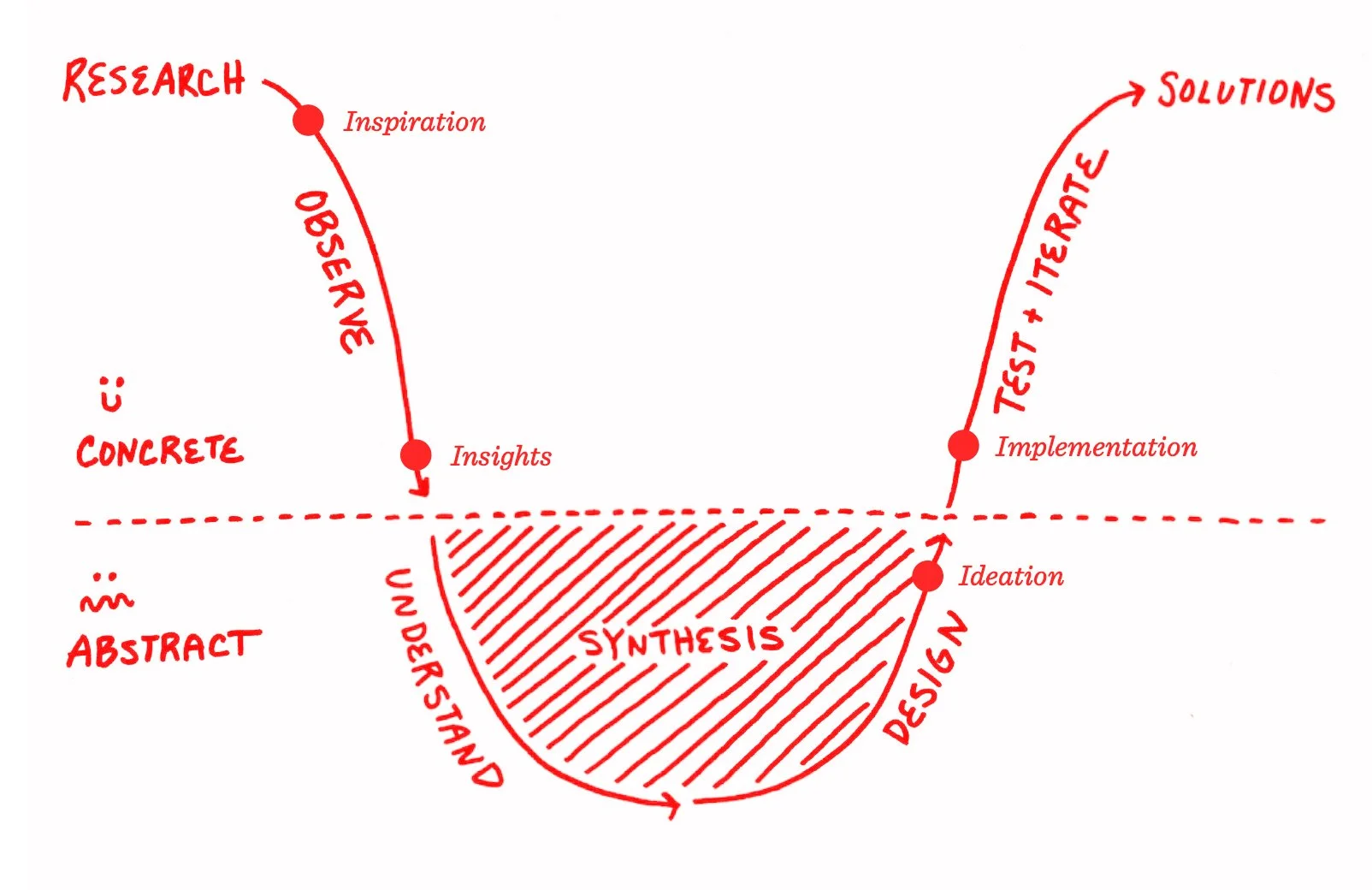
What I find remarkable about design—and research, in this context—is its chameleon nature. The same core methodology flexes to fit any challenge, whether it’s nurturing the pulse of a community or charting the unknown to uncover the next innovation poised to claim its market space. My process isn’t rigid; it moves, adapts, and reshapes itself to meet your ambitions. That’s the beauty of it: the work finds its place wherever there’s a question worth answering, and that’s where I find my ultimate joy.